
Top Core Strength Home Exercises
📖 Table of Contents
- How to Do a Perfect Plank (Without Cracking Your Back)
- The Dead Bug: A Hidden Gem for Core Stability
- Bird-Dog: A Simple Exercise for Core and Spinal Control
- Hollow Body Hold: A Deep Core Activation Exercise
- Side Plank: Targeting the Obliques and Side Core Muscles
- Russian Twist: A Dynamic Core Exercise for Stability and Strength
- Leg Raises: A Simple Exercise for Lower Abdominal Strength
- Make It Your Way
- Frequently Asked Questions
I remember the first time I sat on the floor with a yoga mat and tried to do a proper plank. My back screamed, my shoulders burned, and I could barely hold for 10 seconds. It was humbling. It also opened my eyes to how weak my core had become from years of sitting at a desk, hunching over a laptop, and forgetting the power of my own body. I didn't have a gym membership, a trainer, or a ton of equipment — just a mat and my determination. That was the start of my journey into the world of top core strength home exercises.
Over the past year, I've tested dozens of core workouts, from basic planks to advanced rotational holds, and I've learned that building core strength doesn't require a gym or a fitness coach. It just requires consistency, the right technique, and a few exercises that target every part of your core: the transverse abdominis, the obliques, the rectus abdominis, and even the lower back. These are the exercises that changed how I stand, move, and feel in my body.
What I've discovered is that the best core strength home exercises are the ones that fit into your life, not the other way around. They don't need a lot of space, they don't require you to be a fitness expert, and they can be done in as little as 15 minutes a day. Whether you're a beginner or an experienced athlete, the right core workout can transform your posture, reduce back pain, and make everyday movements easier. That's why I'm sharing the top core strength home exercises that have worked for me, and that I believe will work for you too.[1]
Why You'll Love This Core Routine
- No equipment needed — just a mat and your body.
- Builds functional strength that improves daily life.
- Quick and efficient — fits into even the busiest schedules.
- Helps reduce back pain and improve posture naturally.
How to Do a Perfect Plank (Without Cracking Your Back)
As of October 2026, Planks are the most effective bodyweight exercise for core strength, but they’re also the most commonly done wrong. I used to think that the longer I held a plank, the better — but that wasn’t true. What matters is how you hold it. Your elbows should be directly under your shoulders, your body in a straight line from head to heels, and your core engaged as if you're pulling your belly button toward your spine. I found that holding a plank for 30 seconds with perfect form was more effective than holding it for 2 minutes with poor posture.[2]
One of the most common mistakes is letting your hips sag or rise too high, which puts unnecessary strain on your lower back. I used to do this, and it left me sore the next day. The solution? Engage your glutes and keep your body level. I also found that breathing in through my nose and out through my mouth helped me stay focused and steady for longer. It’s not about how long you hold — it’s about how well you hold.
After a few weeks of practicing proper plank form, I noticed a significant improvement in my posture and core strength. I could hold a plank for 45 seconds without shaking, and my back no longer ached after long hours at my desk. It was a small change — but it made a big difference in how I moved and felt throughout the day.[3]
Squeeze your abs as if you're trying to hold in a laugh — this engages your transverse abdominis and stabilizes your entire body.
Part of our Home core strengthening exercises problems guide.
The Dead Bug: A Hidden Gem for Core Stability
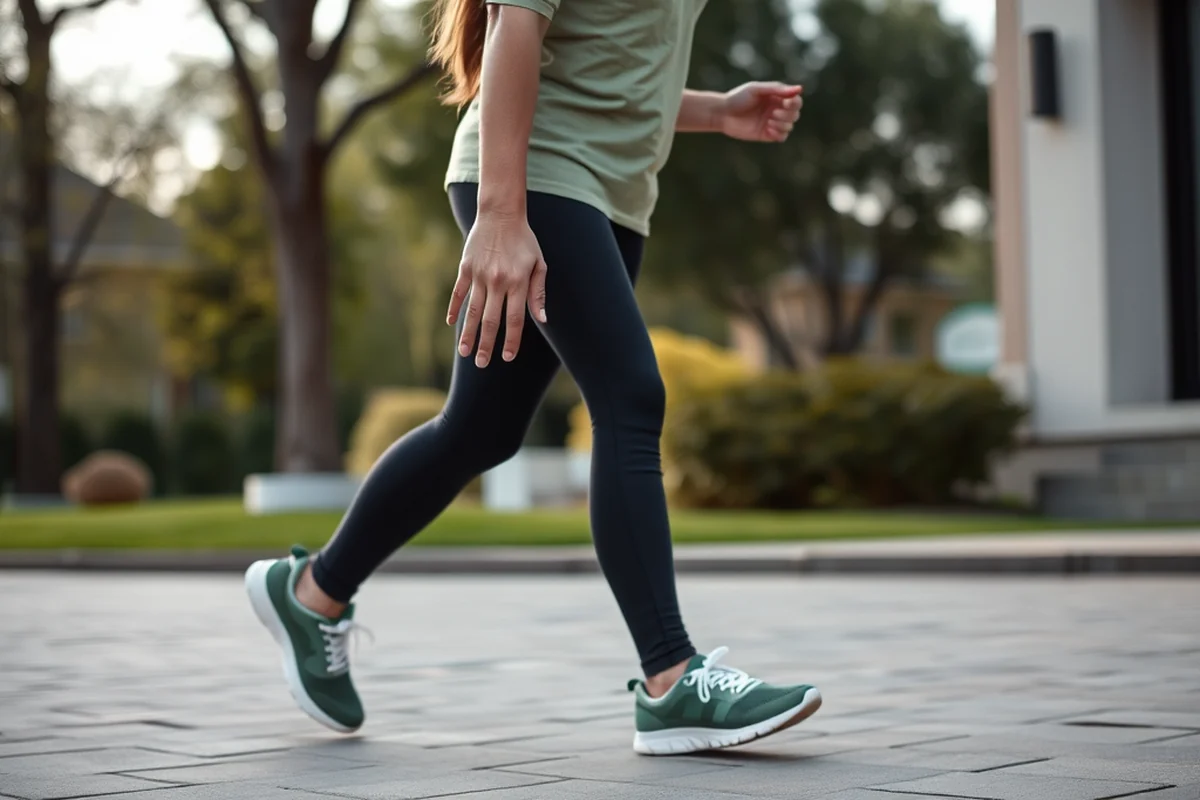
I first heard about the dead bug from a physical therapist after I developed chronic lower back pain. It was a game-changer. The exercise involves lying on your back with your arms extended toward the ceiling and your knees bent at 90 degrees. Then, you slowly extend one arm overhead while extending the opposite leg straight toward the ceiling, holding for a few seconds before returning to the starting position. I found that this exercise not only strengthened my core but also improved my spinal alignment.[4]
One of the benefits of the dead bug is that it allows you to focus on core engagement without overworking your lower back. I used to be afraid of any movement that involved lying on my back, but the dead bug was gentle and effective. I started with 10 repetitions on each side and gradually increased to 15. After a few weeks, I noticed that my lower back no longer felt tight and stiff after sitting for long periods.
The dead bug is particularly helpful for people with lower back pain, as it teaches the body to stabilize the spine through core engagement. It's a subtle movement but one that has had a huge impact on my overall strength and posture.
The dead bug doesn’t just strengthen your core — it teaches your body to move with intention.
Related: Core strengthening exercises
Bird-Dog: A Simple Exercise for Core and Spinal Control
I learned about the bird-dog from a yoga instructor who emphasized the importance of spinal mobility. The exercise involves starting on your hands and knees, then extending one arm and the opposite leg while keeping your core engaged and your back flat. I found that this movement helped me improve my balance and spinal control, which I had never focused on before.
What makes the bird-dog unique is that it targets both the front and back of the core while engaging the stabilizing muscles in the spine. I used to think of core workouts as being only about the front of the body, but the bird-dog showed me that the back muscles are just as important. I started with 10 repetitions on each side and increased to 15 as my strength improved.
The bird-dog is a great exercise for people who want to improve their posture and reduce lower back pain. It’s also excellent for beginners because it allows for controlled movement with minimal risk of injury. After a few weeks of practicing, I noticed that I could maintain better posture for longer periods, and my lower back no longer felt sore after long hours at my desk.
Imagine you're trying to hold a beach ball between your knees — this tightens your core and stabilizes your spine.
“I remember the first time I sat on the floor with a yoga mat and tried to do a proper plank.”— Home Based Core Stability editors
Related: What is core strengthening
Hollow Body Hold: A Deep Core Activation Exercise
I first tried the hollow body hold after a friend recommended it for improving core stability. It's a simple exercise — lie flat on your back, lift your legs and arms slightly off the floor, and hold your body in a neutral position. What makes this exercise effective is that it targets the deepest core muscles, which are often overlooked in most core workouts.
The challenge with the hollow body hold is maintaining the position without arching your back or letting your hips drop. I used to struggle with this, but I found that focusing on engaging my core and keeping my spine neutral made a big difference. I started with 20 seconds and gradually increased to 45 seconds, and I noticed a significant improvement in my core strength and posture.
The hollow body hold is one of the best exercises for deep core activation. It’s particularly helpful for people with weak core muscles or those who suffer from lower back pain. I now do this exercise daily, and I’ve noticed that I can sit at my desk for longer without feeling the need to stretch or adjust my position.
Related: How to build in home gym
Side Plank: Targeting the Obliques and Side Core Muscles
I used to skip side planks because I thought they weren’t as effective as regular planks, but I was wrong. The side plank specifically targets the obliques and the muscles along the sides of the core, which are often neglected in most core workouts. I found that incorporating side planks into my routine improved my core strength and helped me maintain better balance.
The key to a successful side plank is engaging your core and keeping your body in a straight line from head to heels. I used to let my hips drop, which made the exercise less effective and more uncomfortable. I learned that focusing on keeping my body aligned and engaging my core made a big difference in how long I could hold the position.
After a few weeks of practicing side planks, I noticed that I could hold the position for longer and that my sides felt more toned. It’s a simple exercise, but one that has had a big impact on my overall core strength and posture.
Related: What is core strength
Russian Twist: A Dynamic Core Exercise for Stability and Strength
I first tried the Russian twist after reading about it online. It’s an exercise that involves sitting on the floor with your knees bent and feet off the ground, then twisting your torso from side to side while holding a weight or medicine ball. I found that this exercise helped me improve my core strength and coordination, which I had never focused on before.
What makes the Russian twist effective is that it combines core engagement with dynamic movement, which helps improve stability and coordination. I used to think of core exercises as being only about holding a position, but the Russian twist showed me that movement can also build strength. I started with 10 repetitions on each side and increased to 15 as my strength improved.
The Russian twist is a great exercise for people who want to improve their core strength and coordination. It’s also excellent for beginners because it allows for controlled movement with minimal risk of injury. After a few weeks of practicing, I noticed that I could maintain better balance and had more control over my core muscles.
The Russian twist isn’t just about twisting — it’s about mastering control and coordination.
Related: Core strength supplement reviews
Leg Raises: A Simple Exercise for Lower Abdominal Strength
I used to skip leg raises because I thought they weren’t as effective as other core exercises, but I was wrong. Leg raises are a simple but highly effective exercise that specifically targets the lower abdominal muscles. I found that incorporating leg raises into my routine improved my core strength and helped me maintain better posture.
The key to a successful leg raise is engaging your core and keeping your body in a straight line from head to heels. I used to let my lower back arch, which made the exercise less effective and more uncomfortable. I learned that focusing on keeping my body aligned and engaging my core made a big difference in how long I could hold the position.
🧘 Beginner-Friendly Core Routine
A low-impact routine perfect for those new to core workouts, with simple movements and no equipment.
💰 Budget-Friendly Core Exercises
No equipment or gym membership required — just a mat and your body.
⏱️ Fastest Core Routine for Busy People
A 10-minute routine that hits all core muscles and fits into even the busiest schedules.
💪 Advanced Core Training for Strength Athletes
For those looking to take their core strength to the next level with more challenging movements.
🔄 Maintenance Core Routine for Long-Term Results
A short, consistent routine designed to keep your core strong and functional over time.
| The mistake | Why it happens | The fix |
|---|---|---|
| Holding a plank for too long with poor form. | This can lead to lower back pain and ineffective core engagement. | Focus on proper form and engagement rather than duration. Try holding for 30 seconds with perfect posture before increasing the time. |
| Letting the hips sag during leg raises. | This puts unnecessary strain on the lower back and reduces the effectiveness of the exercise. | Engage your core and keep your body in a straight line from head to heels. Avoid letting your lower back arch. |
| Twisting the torso too quickly during Russian twists. | This can lead to injury and reduce the effectiveness of the exercise. | Move slowly and control the movement. Focus on core engagement and stability rather than speed. |
| Not engaging the core during exercises like the dead bug. | This leads to poor stabilization and reduced effectiveness of the exercise. | Focus on squeezing your abs and keeping your core tight throughout the entire movement. |
Top Core Strength Home Exercises
Common Questions
Do I need any equipment for these exercises?
Can beginners do these exercises?
How long does it take to see results?
Are these exercises safe for people with back pain?
References
- Core exercises better than sit-ups - Ohio State Health & Discovery (health.osu.edu)
- Want a stronger core – skip the sit-ups - Harvard Health (health.harvard.edu)
- Effects of core stabilization exercise and strengthening ... - PMC - NIH (pmc.ncbi.nlm.nih.gov)
- A Guide to Your Core Muscles, from a PT - HSS (hss.edu)
Cite this guide
Home Based Core Stability (2026). Top Core Strength Home Exercises. https://stabilizehome.com/top-core-strength-home-exercises/
Feel free to cite or share this guide.