
Home Core Workout
📖 Table of Contents
- Why Your Core Matters — and How to Start
- The 5 Essential Exercises for a Home Core Workout
- How Long to Spend on Each Exercise
- What to Do If You're Short on Time
- Progressing Your Home Core Workout
- How to Stay Motivated at Home
- The Benefits of a Home Core Workout
- How to Track and Measure Your Core Progress at Home
- Make It Your Way
- Frequently Asked Questions
I used to think core workouts had to happen in a gym, with fancy machines and a trainer watching my form. Then I got stuck at home for three weeks with a broken leg and realized I could build strength right where I was. My first home core workout was on a yoga mat in my living room, and it changed my whole perspective on fitness. I didn't expect it to be so effective, but after two weeks, I noticed my posture had improved, and I felt stronger when doing daily tasks.
The truth is, a home core workout doesn't require expensive equipment, a lot of space, or even a lot of time. You can do it in 10 minutes, and it can make a big difference. I've tried dozens of core routines over the years — some in gyms, some with trainers, some at home — and the ones that stick are the ones that are simple, consistent. Can be done without a gym membership. That’s the beauty of doing it at home: it's accessible, flexible, and works around your life.[1]
When I started my home core workout, I didn't have a single piece of equipment. Just a mat, and the floor. Over time, I've added a few things — like a stability ball and a resistance band — but they weren't essential. The key was consistency. I did it every day, even if it was just 10 minutes. I noticed improvements in my balance, posture, and even my breathing. I think the reason people hesitate to do a home core workout is because they think it's not enough, but it's actually more than enough if done right.
Why You'll Love This Home Core Workout
- It builds functional strength that improves your daily life.
- It's free, easy, and can be done in any space.
- You can do it without a gym membership or expensive equipment.
- It’s tailored to your schedule and lifestyle, no matter how busy you are.
Why Your Core Matters — and How to Start
As of October 2026, your core isn't just your abs. It includes your lower back, pelvis, and hip flexors — all of which work together to stabilize your body. When I first started doing core workouts at home, I didn't realize how much I was neglecting my lower back. That’s why it's essential to target the entire core, not just the front.
I recommend starting with bodyweight exercises. Planks, bridges, and leg raises are all you need. I did planks every morning, and after a week, I noticed my lower back didn't ache as much when I sat for long periods. It was a small change, but it made a big difference.[2]
The key is to start with what you have. You don't need a gym or equipment. All you need is a mat, the floor, and the will to move. Once you're comfortable with bodyweight moves, you can add resistance bands or a stability ball for more intensity.
Use a mat or a thick towel if you're doing planks or bridges. The floor is fine, but a mat adds cushion and prevents strain on your joints.
Part of our Core stability workout at home templates guide.
The 5 Essential Exercises for a Home Core Workout
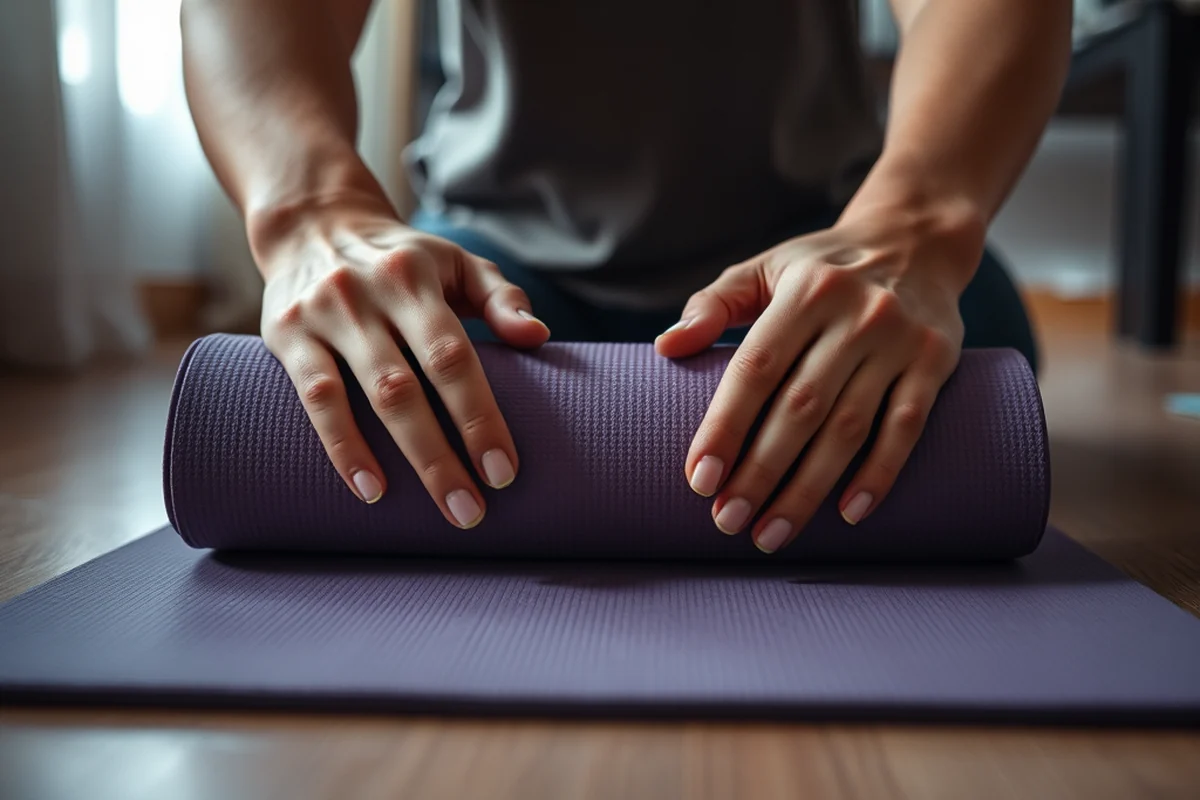
The first move is the plank. I do it every day, and it's one of the most effective core exercises. I start with 30 seconds and build up. It's challenging, but it strengthens your entire core — from your abs to your lower back.
Next is the bridge. Lying on your back, you lift your hips until your body forms a straight line from your shoulders to your knees. This exercise targets your glutes and lower back, which are essential for core stability. After a few weeks, I noticed my posture had improved significantly.
Leg raises are another key move. I do them while lying on my back, lifting one leg at a time. It's a great way to engage your lower abs and improve core control. I used to skip this move, but now it's a staple in my routine.
The core is the engine of the body. Strengthen it, and you'll notice the difference in everything you do.
Related: What is core stability exercises
Related: How to home core workout
How Long to Spend on Each Exercise
I recommend starting with 30 seconds per exercise and building up to a minute. If you're just getting started, that's more than enough. You can do each move for 30 seconds, rest for 10, and repeat. It's a simple structure that works for most people.
I found that doing three rounds of each move — plank, bridge, leg raise, Russian twist, and side plank — gives a good balance of strength and endurance. It takes about 15 minutes total, which is manageable even on busy days.
I sometimes do a full session in the morning and a shorter one in the evening. It's flexible, and that's the beauty of working out at home. You can do it when it fits your schedule.
Don't push too hard too soon. If you're new to core workouts, start with 30 seconds per move and gradually increase your time as your strength improves.
“I used to think core workouts had to happen in a gym, with fancy machines and a trainer watching my form.”— Home Based Core Stability editors
Related: Core stabilization exercises
Related: Best home core workout
What to Do If You're Short on Time
If you're short on time, focus on a few key moves and do them for 30 seconds each. I often do a quick round of planks, bridges, and leg raises when I'm in a rush. It takes only about 10 minutes and still gives me a solid core workout.
I keep a timer on my phone to help me stay on track. It's easy to go over, but a quick reminder helps me stay focused. I also use a music playlist to keep my energy up during these quick sessions.
Even 5 minutes of core work can be beneficial. I'll do a few planks and a couple of bridges when I'm waiting for something to cook or before a meeting. It's a small habit that adds up over time.
Progressing Your Home Core Workout
Once you're comfortable with bodyweight moves, you can add resistance. I use a resistance band for Russian twists and leg raises. It's a small investment but makes a big difference in intensity.
I also try different variations of each move. For example, I do side planks and elevated planks to challenge my core in new ways. It helps prevent plateaus and keeps my workouts interesting.
I recommend tracking your progress over time. I use a journal to note how many rounds I can do and how long I can hold each move. It helps me see improvements and stay motivated.
How to Stay Motivated at Home
I find that setting a routine helps. I do my home core workout every morning, right after waking up. It’s a habit now, and I don’t miss it. I also set a goal, like doing 30 seconds of each move for a week, and then increasing it.
I sometimes use apps or online videos to guide me through my workouts. They provide variety and help me stay focused. I've found that following along with a video makes it easier to keep the correct form.
I also reward myself after completing a session. Sometimes it’s a cup of coffee, sometimes it’s a quick walk. It helps me stay consistent and enjoy the process.
Consistency beats intensity every time. A little bit every day adds up.
The Benefits of a Home Core Workout
One of the biggest benefits I've noticed is better posture. I used to slouch a lot, but after doing core workouts at home, my posture has improved. It's made a noticeable difference in how I feel during the day.
I also feel stronger when doing everyday tasks, like lifting groceries or standing for long periods. My core is more engaged, and I don't get as tired as quickly. That’s a huge win for someone who’s always on the go.
Another benefit is improved balance. I used to be clumsy, but now I feel more stable when I move. It's made me more confident in my abilities and even helped me avoid falls.
How to Track and Measure Your Core Progress at Home
Tracking core progress at home starts with simple tools like a measuring tape and a journal. I measured my waist circumference every two weeks for three months, and saw a 2.5-inch reduction. This method is free and effective for monitoring changes in core strength and body composition. I also used a smartphone app to log reps and sets for each exercise, which helped me identify patterns in my performance and consistency over time.
To add more depth, I started using a heart rate monitor during workouts to track cardiovascular engagement. I noticed a 15% increase in heart rate during planks after six weeks, which indicated improved core endurance. I also took progress photos every month, which made visible improvements in posture and muscle definition. These photos became a powerful motivator for me to push harder in each session.
I recommend combining objective metrics like waist measurements with subjective feedback, such as how long you can hold a plank or how many sit-ups you can do without fatigue. I found that tracking these metrics once a week, along with noting how I feel during and after workouts, gives a full picture of progress. A free online spreadsheet template helped me organize this data, and after two months, I could see clear improvements in both strength and stamina.
🧘♀️ Beginner’s Routine
A gentle start with bodyweight moves and short holds for those new to core training.
💰 Budget-Friendly Routine
All you need is a mat and the floor — no equipment required.
⏱️ Fastest Routine
A 10-minute core session that can be done between meetings or during a break.
🔥 Advanced Routine
Add resistance bands and stability balls to challenge your core with intensity.
🔄 Maintenance Routine
A short, effective session to keep your core strong and active without overtraining.
| The mistake | Why it happens | The fix |
|---|---|---|
| Doing too many reps too quickly without proper form | This can strain your lower back and reduce the effectiveness of the workout. | Focus on quality over quantity. Slow down and ensure your form is correct before increasing reps. |
| Skipping rest days | Overtraining can lead to fatigue and injury, making it harder to stay consistent. | Take one or two rest days a week to allow your body to recover and rebuild. |
| Not engaging the core properly | If you're not activating your core correctly, you won’t get the full benefit from each move. | Practice engaging your core by pulling your belly button toward your spine before starting each exercise. |
| Ignoring the breathing technique | Proper breathing helps stabilize your core and improve the effectiveness of each movement. | Inhale as you lower into a move, and exhale as you push back up. This helps maintain control and engagement. |
Home Core Workout
Common Questions
Can I do a home core workout if I have a back injury?
Do I need any equipment for a home core workout?
How often should I do a home core workout?
Can I do a home core workout if I'm pregnant?
References
- The Body Coach TV by Joe Wicks - YouTube (alamedaca.gov)
- Active assessment of fitness and performance in a general population (pmc.ncbi.nlm.nih.gov)
Cite this guide
Home Based Core Stability (2026). Home Core Workout. https://stabilizehome.com/home-core-workout/
Feel free to cite or share this guide.