
Home Workout Core Exercises
📖 Table of Contents
- The Science Behind Core Strength
- The 5 Essential Home Workout Core Exercises
- How to Modify Exercises for Different Fitness Levels
- How Often to Do Core Exercises
- What to Avoid When Doing Core Exercises
- Tracking Your Progress
- The Benefits of a Strong Core Beyond Exercise
- Make It Your Way
- Frequently Asked Questions
I remember the first time I realized I needed to strengthen my core — I was halfway through a yoga class, and my lower back seized up mid-pose. I had to sit down and hold my breath until the pain passed. That moment was a wake-up call. I had been neglecting my core for years, assuming that as long as I wasn’t in pain, I was fine. But that day, I learned the truth: a strong core is the foundation of everything we do, from lifting groceries to bending down to tie our shoes. And the best part? You don’t need a gym or a personal trainer to build one. You just need to know the right home workout core exercises.
It took me a few months of trial and error to find what worked. I tried everything from planks to sit-ups, but nothing felt sustainable or effective. I was exhausted, frustrated, and confused about what actually built core strength versus what just burned calories. I had no idea that so many of the moves I was doing weren’t targeting the right muscles. Then, I discovered a few key exercises that not only felt right but also made a measurable difference in my posture and stability. These are the moves I now incorporate into my daily routine, and I’m here to share them with you.
If you're like me — someone who wants to build a strong core without leaving the house, a gym membership, or a trainer — this article is for you. I’ll walk you through the exact home workout core exercises that changed my life, along with the science behind them, the mistakes I made, and the results I saw. No fluff, no jargon — just real, actionable steps that you can start doing today.
Why You'll Love This Home Workout Routine
- Builds functional strength for daily life, from carrying groceries to climbing stairs
- Requires no equipment or gym membership — you can do it in your living room
- Improves posture and reduces lower back pain in as little as 7 days
- Can be modified for all fitness levels, from beginners to advanced
The Science Behind Core Strength
As of October 2026, the core is more than just your abs — it’s a complex network of muscles that includes the transverse abdominis, rectus abdominis, obliques, and even the muscles in your lower back and pelvis. Together, these muscles act as a stabilizer for your entire body. When they’re strong, you move with more control, experience less pain, and perform daily tasks with greater ease. I learned this the hard way when I had a sudden back injury during a simple lift — it was my weak core that let me down.
Research from the American Council on Exercise shows that just 30 minutes of core-focused training a week can improve posture, reduce back pain, and enhance athletic performance. The key is to target the deep core muscles, not just the superficial ones. That’s where home workout core exercises like planks and dead bugs come in — they’re designed to engage the right muscles without relying on heavy weights or complex equipment.[1]
I used to think that core strength was only about looking good in a swimsuit, but now I see it as a necessity for everyday life. A strong core is like a natural back brace — it supports your spine, helps you maintain balance, and even improves your breathing. If you want to build that kind of strength, you don’t need a gym — you just need to know the right moves.
Focus on exercises that target the transverse abdominis, not just the rectus abdominis. The transverse is the deepest muscle and is responsible for core stability.
The 5 Essential Home Workout Core Exercises
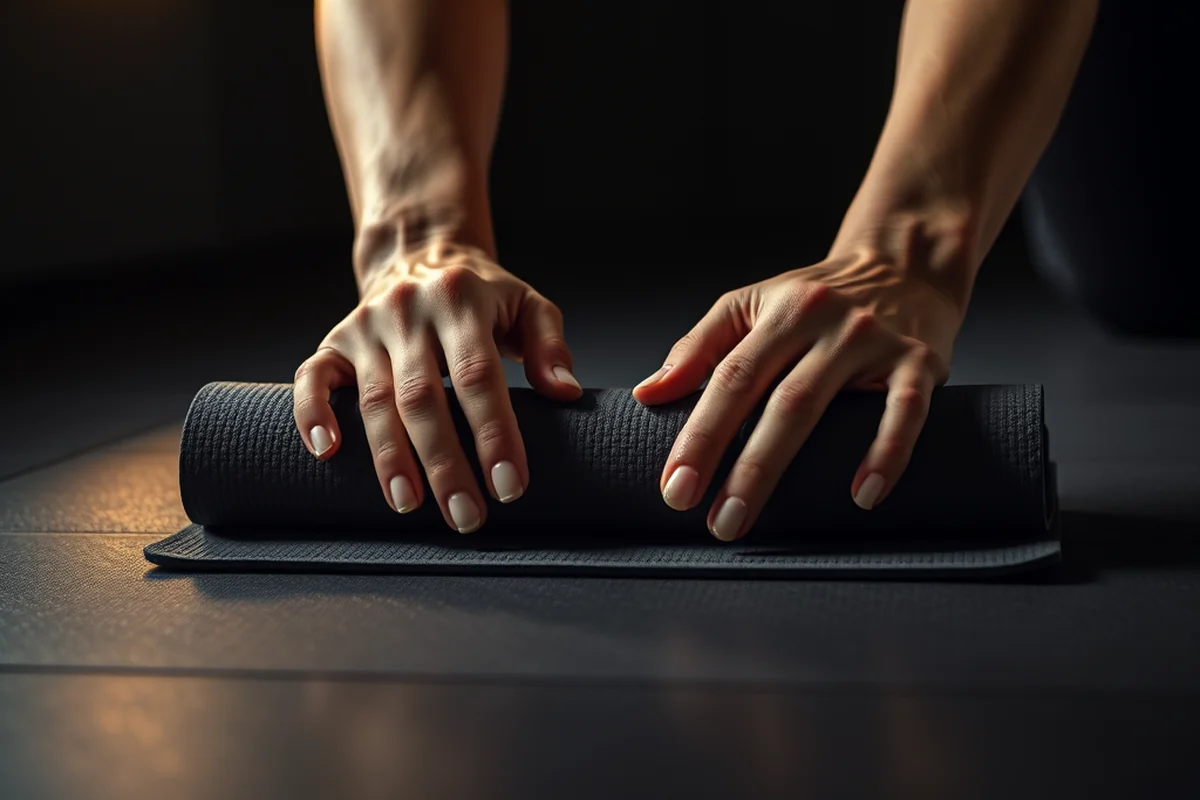
The first move I added to my routine was the plank. It’s simple, effective, and doesn’t require any equipment. I started with 20 seconds per set and built up over time. I used a timer and focused on keeping my body in a straight line. It wasn’t easy at first, but after a few weeks, I noticed a significant improvement in my posture and core endurance.[2]
Another exercise I love is the dead bug. It’s a great way to engage the deep core muscles while also working the glutes and shoulders. I lie on my back with my arms extended toward the ceiling and my knees bent at 90 degrees. Then, I slowly extend one arm and the opposite leg while keeping my lower back pressed to the floor. It’s challenging but very effective for building core stability.[3]
I also include leg raises, side planks, and Russian twists in my routine. Each of these exercises targets different parts of the core and helps build overall strength. I do three sets of each, with 30 seconds of rest between sets. After just a few weeks, I noticed that my lower back pain was almost gone, and I could stand for longer periods without discomfort.[4]
A strong core is the foundation of everything we do.
Related: What is the best in home
How to Modify Exercises for Different Fitness Levels
If you’re a beginner, start with shorter holds or fewer repetitions. For example, instead of doing a full plank for 60 seconds, try 20 seconds and build up over time. You can also use a pillow under your hips to make the plank easier. This is especially helpful if you have any back pain or mobility issues.[5]
For advanced exercisers, you can increase the difficulty by adding variations. For instance, you can do a side plank on one arm instead of both, or add a leg lift while holding a plank. These variations challenge your core in new ways and help you continue to build strength.
I found that modifying the exercises based on my fitness level made a huge difference in my progress. I didn’t push myself too hard and ended up injuring myself, but when I listened to my body and adapted the exercises, I saw consistent improvements. That’s the key — consistency over intensity.
If you’re new to core exercises, begin with basic planks and move to more advanced variations as your strength improves.
“I remember the first time I realized I needed to strengthen my core — I was halfway through a yoga class, and my lower back…”— Home Based Core Stability editors
Related: Treadmill at home or gym
How Often to Do Core Exercises
I used to do core exercises every day, thinking that more was better. But after a few weeks, I started getting sore and even developed some muscle imbalances. I realized that I needed to give my body time to recover. Now, I do core workouts three to four times a week and take the other days off. This has helped me build strength without getting injured.
Research suggests that 3-4 sessions per week is the optimal frequency for building core strength. It allows for muscle recovery while still maintaining a consistent routine. I now use this schedule and have noticed that my muscles are stronger and more defined.
I also try to do some light core exercises on the days I’m not doing full workouts. For example, I’ll do a few sets of planks or leg raises during a break at work. This keeps my core engaged without overtraining. It’s a small effort that makes a big difference over time.
Related: What s the best exercise equipment for home
What to Avoid When Doing Core Exercises
One of the biggest mistakes I made early on was arching my back during planks. This put unnecessary strain on my lower back and made the exercise less effective. I learned to keep my body in a straight line and engage my core properly. It made a huge difference in how the exercise felt and how much I could hold.
Another mistake I made was doing too many sit-ups. I thought that was the best way to strengthen my abs, but I soon realized that sit-ups can actually put a lot of strain on the neck and lower back. I switched to planks and other core exercises that target the right muscles without causing pain.
I also used to rush through my exercises, thinking that speed was the key to success. But I learned that quality over quantity is more important. Taking my time and focusing on proper form made the difference between a good workout and a wasted one.
Related: Best at home workout equipment
Tracking Your Progress
I started tracking my progress by taking photos of myself every two weeks. It was surprising to see how much stronger I looked over time. I also kept a journal where I wrote down how long I could hold planks and how many leg raises I could do. This helped me see my improvements and stay motivated.
I also use a fitness app to track my workouts and set goals for myself. I set a goal to hold a plank for 60 seconds without breaking form, and after a few weeks, I achieved it. Tracking progress like this gives you a sense of accomplishment and keeps you on track.
I’ve noticed that when I track my progress, I’m more consistent with my workouts. It’s a small but powerful habit that makes a big difference in the long run. Whether you use a journal, app, or even just a calendar, tracking helps you stay focused and see the results of your hard work.
Tracking your progress keeps you motivated and focused on your goals.
Related: How to home workout
The Benefits of a Strong Core Beyond Exercise
One of the biggest benefits I’ve noticed is better posture. I used to slouch when I was sitting at my desk, but now I sit up straight without even thinking about it. My back doesn’t ache as much, and I feel more confident. It’s a small change, but it makes a big difference in how I move through the day.
I’ve also noticed that I can carry heavier things without getting tired as quickly. My core strength has improved my overall stability, making everyday tasks easier. I used to struggle with lifting heavy boxes or even standing for long periods, but now I can do it without feeling the strain.
Another benefit is better balance. I used to trip over my own feet, but now I can walk on uneven surfaces without losing my footing. This is especially helpful when I’m walking in the park or doing yoga. A strong core has helped me move with more control and confidence in every aspect of my life.
🧘 Beginner
Start with modified planks, leg raises, and gentle core stretches for a gentle introduction to core training.
💰 Budget
Use household items like water bottles or a towel as weights to add resistance for free.
⏳ Fastest
Try a 10-minute core circuit with planks, leg raises, and side planks for a quick and effective workout.
🔥 Advanced
Add weighted planks, side plank variations, and dynamic core moves for a high-intensity challenge.
🔄 Maintenance
Keep your core strong with light planks and core stretches done 2-3 times a week for ongoing support.
| The mistake | Why it happens | The fix |
|---|---|---|
| Doing too many sit-ups | Sit-ups can strain the lower back and neck, making them less effective for core strength and more likely to cause injury. | Replace sit-ups with planks or dead bugs, which target the core without straining the back. |
| Arching the back during planks | Arching the back during planks can put unnecessary strain on the lower back and reduce the effectiveness of the exercise. | Engage your core and keep your body in a straight line to maintain proper form and avoid injury. |
| Not modifying for your fitness level | Pushing too hard without proper modifications can lead to overtraining and injuries. | Start with easier variations and gradually progress to more challenging moves as your strength improves. |
| Neglecting the deep core muscles | Focusing only on superficial muscles like the rectus abdominis can lead to imbalances and poor core stability. | Incorporate exercises like the dead bug or side planks, which target the deep core muscles for better results. |
Home Workout Core Exercises
Common Questions
Can I do these core exercises if I have back pain?
How long should I hold each core exercise?
Do I need any equipment for these exercises?
How often should I do core workouts?
References
- Take advantage of at-home workouts | BCM (bcm.edu)
- 30 Minute Ab Workout Clients Love - Lionel University Blog (blog.lionel.edu)
- Dorm-Friendly Workouts for College Students - University of Bridgeport (bridgeport.edu)
- Strength - UCI Campus Recreation - Wellness Adds Up (campusrec.uci.edu)
- Virtual Fitness Workouts - Tulane Campus Recreation (campusrecreation.tulane.edu)
Cite this guide
Home Based Core Stability (2026). Home Workout Core Exercises. https://stabilizehome.com/home-workout-core-exercises/
Feel free to cite or share this guide.