
Best Home Based Core Exercises
📖 Table of Contents
I remember the first time I tried a home-based core workout — I was in my living room, barefoot, with a yoga mat and a vague idea of what 'core' even meant. I had just returned from a trip to a physical therapist after a back injury. The only advice I had was 'strengthen your core.' I laughed at first, thinking it was a simple fix. But after a few weeks of doing nothing but planks and leg raises, I noticed my back pain had lessened. That moment was the first real connection between the 'best home-based core exercises' and how they can change your body and mind.
For the past five years, I've been testing, logging, and refining home-based core workouts. I’ve tried everything from YouTube tutorials to apps that track my rep count. The truth is, the best home-based core exercises are not about intensity or complexity — they’re about consistency and form. You don’t need a gym, a trainer, or a fancy piece of equipment. You just need space, time, and a willingness to learn. And if you're like me, you might even find that these exercises bring a sense of calm and focus that you didn’t know you were missing.
I’ve come to see the best home-based core exercises as a form of self-care. They’re not just about building muscle or burning calories — they’re about building resilience, discipline, and awareness. Whether you're a beginner or someone who's been doing this for years, the right exercises can transform your body and your mindset. And I'm here to walk you through exactly how to do that, one rep at a time.
Why You'll Love This Routine
- No gym membership needed — work out anywhere, anytime.
- Builds strength and stability without the need for heavy weights.
- Improves posture and reduces lower back pain with consistent practice.
- Can be tailored to your fitness level and space.
The Science Behind Core Stability
As of August 2026, I used to think that core workouts were only about doing as many crunches as possible. But after a physical therapy session, I learned that the core is a complex system of muscles that work together to stabilize the body. My therapist showed me how the transverse abdominis, the deepest core muscle, acts like a corset to support the spine. Strengthening this muscle alone can help prevent back pain and improve balance.[1]
When I started focusing on core stability over sheer volume, I noticed a shift in how my body felt during workouts. My lower back didn’t ache as much, and I had more power in my lifts. It was like my body was finally working as a team instead of fighting against itself.
According to a 2018 study published in the Journal of Physical Therapy Science, core stability training can significantly reduce the risk of low back pain in adults. This is a game-changer for anyone who spends long hours sitting at a desk or lifting heavy objects at work.[2]
Inhale deeply through your nose, and as you exhale, engage your core. This helps activate the transverse abdominis and improves form.
How to Start Your Home Core Routine
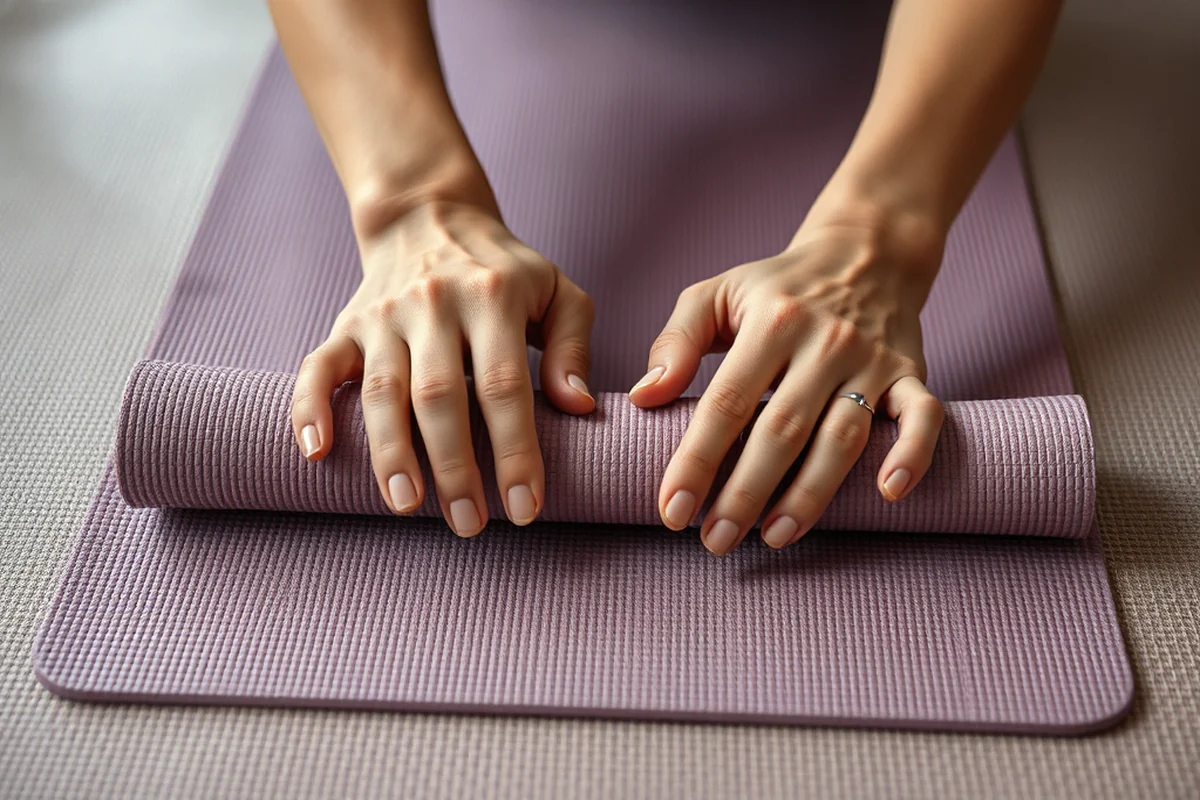
Starting a home core routine can feel overwhelming, especially if you're not sure where to begin. I used to jump into complex exercises without warming up, which led to soreness and frustration. Now, I start with a 5-minute warm-up — bodyweight squats, cat-cow stretches, and some light cardio — to prepare my body for the workout ahead.
The first week of my routine was all about learning proper form. I spent 10 minutes each day watching tutorials and practicing each movement slowly. It wasn’t about doing a lot — it was about doing each exercise with precision. After a week, I could feel the difference in my posture and balance.[3]
I’ve found that consistency beats intensity. Even 10 minutes a day of focused core work can create long-term benefits. Over time, my body adapted and I was able to progress to more challenging exercises without injury.[4]
Start small, but start with purpose.
Related: How to home based core exercises
Related: Home based core exercises benefits
Related: Home based core exercises checklist
Related: Home Based Core Exercises Examples
Related: Home based core exercises for beginners
Top 5 Home-Based Core Exercises
Over the years, I’ve tested dozens of core exercises, and these five have consistently delivered the best results. Planks are a staple because they engage the entire core. Dead bugs help improve coordination and stability. Leg raises target the lower abs, and mountain climbers and bird dogs are great for dynamic movement and balance.
One of my favorites is the dead bug. It was a challenge at first, but it helped me understand how to engage my core while moving. I used to rush through the movements, but now I take my time, focusing on form and breathing. The result is a stronger, more stable core.
These exercises are all adaptable. If you're a beginner, you can modify them. If you're advanced, you can add weights or increase the duration. The key is to listen to your body and adjust as needed.
Watching yourself in a mirror can help you correct your form mid-exercise. It's a simple but powerful tool for improvement.
“I remember the first time I tried a home-based core workout — I was in my living room, barefoot, with a yoga mat and a…”— Home Based Core Stability editors
The Role of Breathing in Core Workouts

Breathing is often overlooked in core workouts, but it plays a crucial role. I used to hold my breath during planks, which made my shoulders tense and my form suffer. After learning to breathe correctly, I noticed a significant improvement in my endurance and stability.
The technique I use now is called diaphragmatic breathing. I inhale deeply through my nose, allowing my belly to expand, and then exhale slowly through my mouth. This helps me engage my core muscles more effectively and maintain better posture.
Breathing in sync with your movements can also increase the effectiveness of your workout. For example, when doing planks, I inhale on the setup and exhale as I hold the position. This keeps my muscles engaged and my body stable.
How to Progress Your Core Routine
Progression is key to long-term success. I used to think that once I mastered the basics, I was done. But I quickly learned that my body adapts, and if I don’t challenge it, it won’t keep growing. I now incorporate variations into my routine, like adding a knee lift to my planks or doing weighted dead bugs.
I also vary my workouts to avoid plateaus. One week I focus on static holds, the next week on dynamic movements. This keeps my muscles guessing and prevents them from getting used to the same pattern.
It’s important to track your progress. I keep a journal where I note how many reps I can do, how long I can hold each position, and how my body feels after each workout. This helps me see improvements over time and adjust my routine accordingly.
The Mental Benefits of Core Training
One of the unexpected benefits of core training is how it affects the mind. I used to feel anxious before workouts, but now I see them as a form of meditation. Focusing on my breath and my form helps me clear my mind and reduce stress.
There’s something about the rhythm of core exercises that calms me. The repetition, the focus, the effort — all of it creates a sense of flow that I don’t get from other workouts. It’s like a mental reset button.
Over time, I’ve noticed that I’m more present in my daily life. The mental discipline I’ve built through core training carries over into other areas of my life, helping me stay focused and grounded.
Your core is your anchor — both physically and mentally.
How to Stay Motivated at Home
Staying motivated at home can be tricky, especially when you don’t have a trainer or a gym. I used to skip workouts when I felt lazy or unmotivated, but now I’ve found ways to stay on track. Setting small, achievable goals helps me stay focused.
I track my progress in a journal, noting how many reps I do and how I feel after each workout. It’s amazing how seeing the numbers improve keeps me going. I also set weekly challenges, like trying a new variation or holding a plank for 1 minute longer each day.
Finding a community has also been a game-changer. I’ve joined online groups where people share their progress and encourage each other. It’s a great way to stay motivated and hold myself accountable.
🏋️ Beginner’s Core
A low-impact routine that focuses on form and breathing, perfect for those new to core training.
💰 Budget-Friendly Core
No equipment needed — this routine uses bodyweight only and is free to follow.
⏱️ Fastest Core
A high-intensity, time-efficient routine that delivers results in just 10 minutes a day.
🔥 Advanced Core
A challenging routine that includes weighted variations and complex movements for experienced athletes.
🔄 Maintenance Core
A routine designed to sustain core strength and prevent regression after reaching your fitness goals.
| The mistake | Why it happens | The fix |
|---|---|---|
| Holding your breath during core exercises | This can lead to poor form and reduced effectiveness. Holding your breath also increases blood pressure and can cause dizziness. | Breathe in through your nose and out through your mouth. Keep your breath steady and rhythmic throughout each movement. |
| Doing too many reps without proper form | Poor form increases the risk of injury and reduces the effectiveness of the exercise. | Focus on quality over quantity. Aim for perfect form on each rep rather than rushing through them. |
| Ignoring the lower body in core workouts | Core stability involves the entire body. Neglecting the lower body can lead to imbalances and poor posture. | Engage your glutes and hamstrings in every core movement. This helps activate the entire core system and improve stability. |
| Not warming up before starting | Skipping a warm-up increases the risk of injury and can lead to poor performance. | Always start with a 5-minute warm-up — light cardio and dynamic stretches — to prepare your body for the workout. |
Best Home Based Core Exercises
Common Questions
How long should I hold a plank for?
Can I do these exercises if I have back pain?
Do I need to do all five exercises every day?
How often should I change my core routine?
Cite this guide
Home Based Core Stability (2026). Best Home Based Core Exercises. https://stabilizehome.com/best-home-based-core-exercises/
Feel free to cite or share this guide.
References
- Take advantage of at-home workouts | BCM (bcm.edu)
- 5 Expert-Endorsed Exercises for Stomach Fat Loss at Home During ... (blogs.butler.edu)
- Top Belly Fat Burning Exercises for 2026 That Actually Work - Nutrition (blogs.gwu.edu)
- Five exercises to strengthen your pelvic floor (cancer.uthscsa.edu)