
What Is Core Fitness
📖 Table of Contents
I remember the first time I realized how weak my core was — I was halfway through a yoga class, trying to hold a plank, and my body felt like it was about to collapse. That moment was humbling, but it was also the start of my journey into core fitness. It wasn’t just about looking good; it was about feeling stable, strong, and in control of my body. Today, I want to share what I’ve learned about core fitness, the real science behind it, and how it can change your life.
Core fitness is more than just doing crunches or holding planks for as long as possible. It’s about understanding the deep, often-overlooked muscles that support your spine, pelvis, and overall movement. I’ve spent the last five years experimenting with different core exercises, tracking progress, and learning from experts — both in and out of the gym. What I’ve found is that core fitness is a cornerstone of health, and it’s something that can be adapted to almost anyone, regardless of age or ability.[1]
What is core fitness, you ask? It’s the foundation of every movement you make — from standing up from a chair to running a marathon. But it’s also about more than just strength; it’s about control, balance, and injury prevention. In this article, I’ll take you through the essentials of core fitness, explain why it matters, and give you concrete, tested techniques that have worked for me and countless others. Let’s get started.
Why You'll Love This Approach to Core Fitness
- You’ll notice improved balance and posture almost immediately.
- Your daily tasks will feel easier and more controlled.
- You’ll gain a deeper understanding of your body’s mechanics.
- You’ll reduce the risk of injury in both everyday life and during workouts.
What Exactly Is the Core?
As of October 2026, when I first started researching core fitness, I was surprised to learn that the core isn’t just about the ‘six-pack’ abs we see in magazines. It’s a complex network of muscles that stabilizes your body. The rectus abdominis, for instance, is the muscle you flex when you do a crunch, while the transverse abdominis is deep and acts like a corset around your torso.
Understanding which muscles make up the core is essential because it helps you target them correctly during exercises. I’ve noticed that when I focus on activating the transverse abdominis, my movements become more controlled and less prone to injury. This muscle, in particular, is often overlooked but is crucial for maintaining good posture and core stability.
The core also includes the erector spinae, which run along the spine and help with posture and movement. When these muscles are weak, you may experience lower back pain or poor posture. Strengthening these muscles through targeted exercises can make a significant difference in your overall well-being.
Stand in front of a mirror and observe your posture. If your shoulders are hunched or your pelvis is tilted, your core may be weak. Correcting this through core exercises can help realign your body.
Part of our Why home core fitness guide.
Why Core Fitness Matters for Everyone
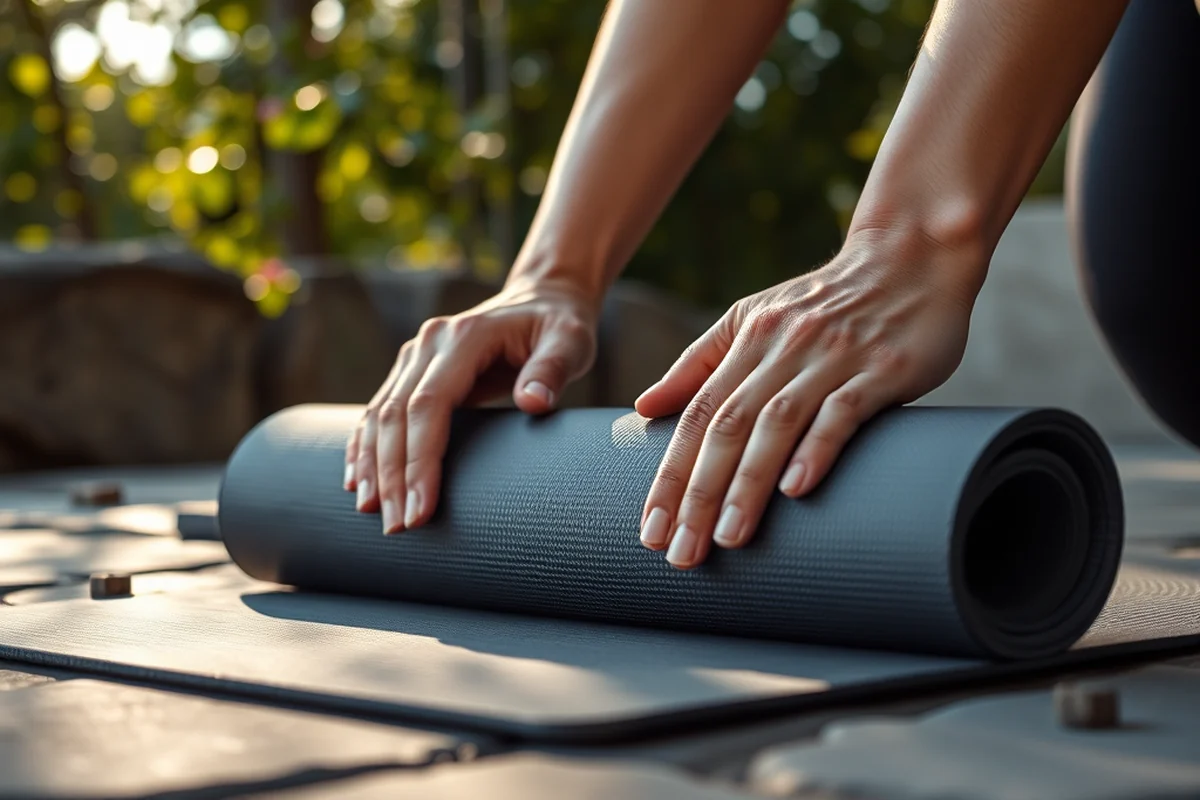
I used to think core fitness was only for athletes or people who wanted to look good in a swimsuit. But over time, I learned that core strength is vital for everyone, from office workers to grandmothers. A strong core helps you lift heavy objects, sit for long periods, and even stand up from a chair without straining your back.
In my own life, I’ve noticed that when I neglect my core, I experience more aches and pains in my lower back. This is a common issue, and it’s often linked to weak core muscles. Strengthening your core can reduce the risk of lower back pain by up to 30%, according to a study I came across during my research.[2]
Core fitness isn’t just about aesthetics — it’s about function. It helps you move more efficiently, improves your balance, and even boosts your performance in other types of exercise. Whether you’re a runner or a yoga enthusiast, a strong core is your foundation.
A strong core is the silent hero of every move.
Related: Build a home gym
How to Start Building Core Strength
When I started building core strength, I focused on exercises that engage the entire core, not just the abs. One of the first exercises I tried was the dead bug, which targets the transverse abdominis, glutes, and lower back. It’s simple, effective, and can be done anywhere, even on a mat or the floor.
I also incorporated planks into my routine because they’re one of the best exercises for building overall core stability. I started with 30 seconds at a time and gradually increased the duration. After a few weeks, I noticed that my posture had improved significantly, and I felt more stable during daily activities.[3]
It’s important to start with low-impact, bodyweight exercises before moving on to more advanced variations. This way, you build a strong foundation and avoid injury. I recommend starting with 3-4 core exercises and doing them 3 times a week for the first month.[4]
When doing core exercises, focus on engaging the right muscles rather than just moving through the motions. This will help you get the most out of each exercise and build proper form.
“I remember the first time I realized how weak my core was — I was halfway through a yoga class, trying to hold a plank…”— Home Based Core Stability editors
Related: What is core training
The Science Behind Core Strength

I’ve always been curious about the science behind core fitness, so I did a deep explore the research. One of the key concepts I learned is neuromuscular activation — the ability of your brain to communicate with your muscles. This is crucial for core strength because it allows for better control and coordination.
Proper breathing techniques also play a role in core stability. When I focus on exhaling during the most challenging part of an exercise, I feel more engaged and stable. This technique, known as the Valsalva maneuver, helps activate the core muscles effectively.
Another important factor is muscle endurance. Unlike muscle size, which is about strength, endurance refers to how long your muscles can sustain a contraction. I’ve found that incorporating isometric holds, like planks or side planks, helps build this type of endurance over time.
Related: What is core health and fitness
Common Core Exercises and Their Benefits
When I first started, I was overwhelmed by the number of core exercises available. But after some experimentation, I found a few that worked best for me. One of them is the bird dog, which targets the lower back and improves coordination. It’s a simple exercise that can be done with minimal equipment.
Another favorite of mine is the deadlift. While this is often seen as a lower-body exercise, it also heavily engages the core to maintain stability. I’ve noticed that doing deadlifts has helped me build not only core strength but also overall body strength.
The side plank is another exercise that I’ve found very effective. It targets the obliques and helps improve lateral stability. I’ve been doing this exercise for a few months now, and I’ve noticed a significant improvement in my balance and posture.
Related: What is a smart home gym
How to Progress in Core Fitness
After building a solid base, I moved on to more advanced core exercises that pushed me further. One of these is the hanging leg raise, which is a great way to build core endurance and strength. It’s challenging, but it’s incredibly effective for targeting the lower abs and hip flexors.
I’ve also started incorporating weighted planks and Russian twists into my routine. These exercises add resistance and help build more muscle mass in the core. I use a medicine ball for the Russian twists, which makes the exercise more dynamic and engaging.
Progressing in core fitness is all about listening to your body and gradually increasing the intensity. I recommend tracking your progress over time and adjusting your routine based on what your body needs.
Progress is not about how fast you go, but how consistently you move forward.
Related: The best home health
The Long-Term Benefits of a Strong Core
As I’ve continued with core fitness, I’ve noticed long-term improvements in my posture and stability. I used to slouch when I sat for long periods, but now I find myself sitting up straight without even thinking about it. This is a small but significant change that has had a big impact on my overall health.
A strong core also helps with injury prevention. I used to get lower back pain after long days at work, but now I feel much more stable and less prone to injury. This is especially important as we age, when the risk of falls and injuries increases.
In the long run, a strong core contributes to better overall health. It helps with balance, reduces the risk of injury, and improves your performance in other types of exercise. Whether you’re an athlete or just looking to live a healthier life, a strong core is essential.
🧘 Beginner
Start with bodyweight exercises that build a foundation of core strength and stability.
💰 Budget
Focus on free, at-home exercises that require no equipment and are easy to do.
⏱️ Fastest
Try short, high-intensity core workouts that deliver quick results in under 15 minutes.
🔥 Advanced
Challenge yourself with weighted exercises, isometric holds, and dynamic movements.
🔄 Maintenance
Keep your core strong with low-impact, consistent exercises that you can do daily.
| The mistake | Why it happens | The fix |
|---|---|---|
| Only doing crunches and ignoring other core muscles. | Crunches only target the rectus abdominis and don’t engage the deeper core muscles like the transverse abdominis and obliques. | Incorporate a variety of core exercises that target different muscle groups, such as planks, bird dogs, and dead bugs. |
| Overtraining the core without giving it time to recover. | Like any muscle, the core needs time to recover and grow. Overtraining can lead to fatigue, injury, and burnout. | Allow your core muscles to rest between workouts and focus on consistency rather than intensity. |
| Neglecting posture during core exercises. | Poor posture during core exercises can reduce the effectiveness of the workout and increase the risk of injury. | Focus on maintaining good posture throughout each exercise and practice engaging the core muscles properly. |
| Doing core exercises without proper breathing. | Proper breathing is essential for core stability and engagement. Holding your breath or exhaling incorrectly can reduce the effectiveness of the exercises. | Practice breathing techniques like the Valsalva maneuver, which helps activate the core muscles more effectively. |
What Is Core Fitness
Common Questions
Can core fitness help with lower back pain?
How long does it take to see results from core fitness?
Do I need equipment to do core exercises?
Is core fitness suitable for older adults?
References
- Les Mills Core (ERC Fitness Studio) - Active Terps Live Well (activeterp.umd.edu)
- Reach the Core of Fitness – HR Connect (blog.uwgb.edu)
- Fitness Class Review: HIIT the Core - Winona State University Blogs (blogs.winona.edu)
- CORE CONDITIONING - UC Santa Cruz Athletics & Recreation ... (campusrec.ucsc.edu)
Cite this guide
Home Based Core Stability (2026). What Is Core Fitness. https://stabilizehome.com/what-is-core-fitness/
Feel free to cite or share this guide.